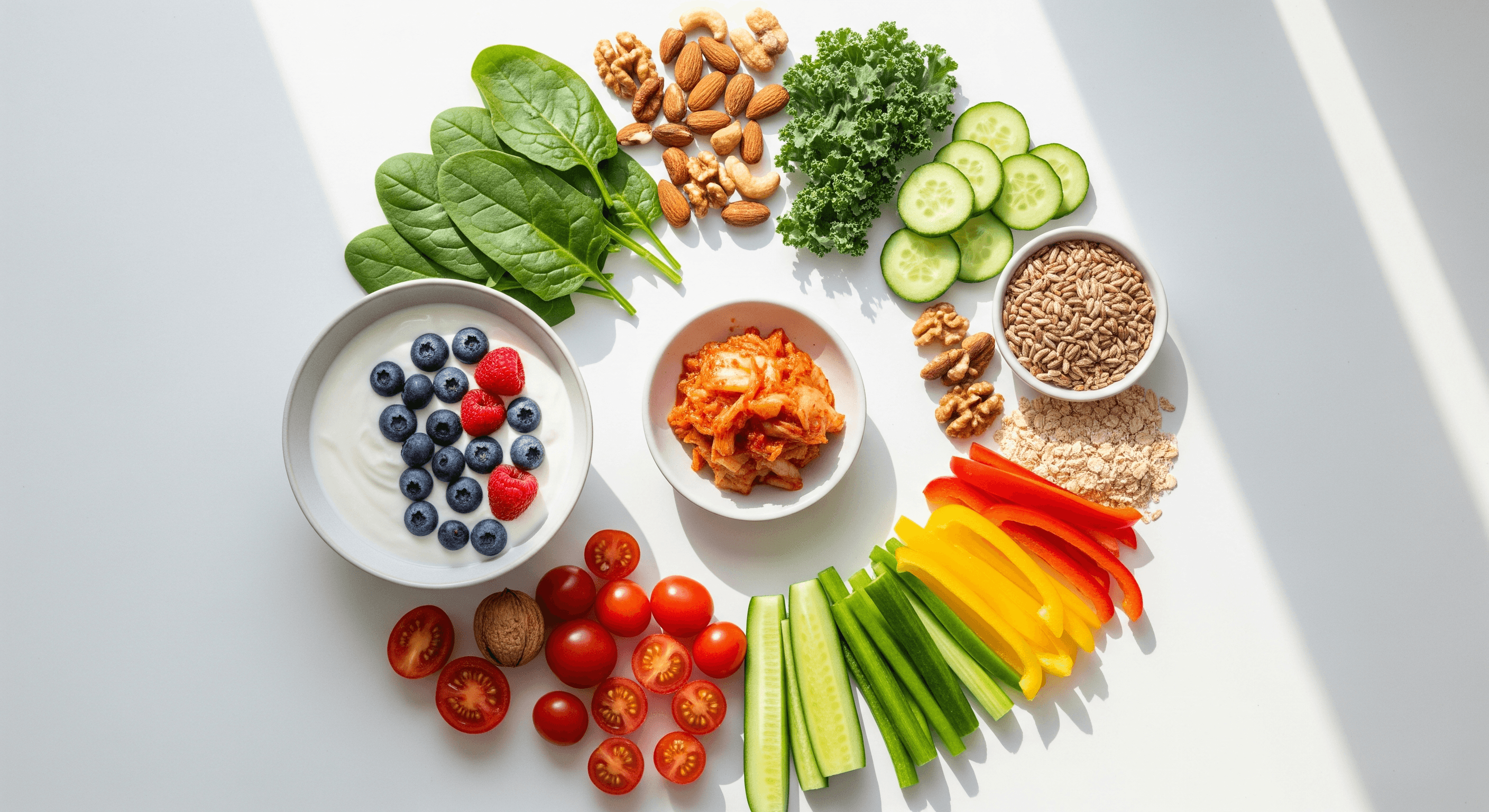
A complete beginner-friendly guide to improving gut health using simple habits, gut-friendly foods, and science-backed lifestyle changes.
How to Improve Gut Health: A Complete Beginner-Friendly Guide
Your gut is far more powerful than you may realize. Often called the body's “second brain,” your digestive system influences immunity, mood, energy, metabolism, and long-term health. When your gut microbiome is balanced, you not only digest food better-you feel better.
In this guide, you’ll learn simple, science-backed strategies to improve gut health naturally, even if you’re just beginning your wellness journey.
🧠 Why Gut Health Matters
Over 70% of your immune system lives in your gut. A healthy gut microbiome supports:
- Better digestion and nutrient absorption
- Improved immune response
- More stable energy levels
- Better mood and mental clarity
- Reduced bloating and inflammation
- Healthy weight management
When gut bacteria become unbalanced, symptoms can include:
- Bloating or constipation
- Irregular digestion
- Fatigue
- Food intolerances
- Sugar cravings
- Brain fog
- Frequent illness
The good news? You can improve gut health with small daily habits.
🥗 1. Eat More Fiber-Rich Foods
Fiber is essential for gut health because it feeds beneficial bacteria, helping them grow and maintain a strong internal ecosystem.
Gut-friendly fiber sources:
- Oats
- Lentils and beans
- Broccoli
- Berries
- Apples
- Whole grains
- Chia seeds
- Flax seeds
Aim for 25–35 grams of fiber per day.
🥒 2. Add Fermented Foods to Your Diet
Fermented foods naturally contain probiotics that help balance your microbiome.
Try adding:
- Yogurt with live cultures
- Sauerkraut
- Kefir
- Kimchi
- Kombucha
- Miso or tempeh
Start slowly-too much all at once may cause temporary bloating as your gut adjusts.
💧 3. Stay Hydrated
Water is essential for breaking down food and supporting nutrient absorption.
Hydration tips:
- Drink 6–8 cups of water daily
- Start your morning with a glass of water
- Add electrolytes if you exercise heavily
Even mild dehydration can cause digestive discomfort.
❌ 4. Reduce Ultra-Processed Foods
Highly processed foods can disrupt gut bacteria and lead to inflammation.
Limit intake of:
- Fast food
- Refined sugar
- Artificial sweeteners
- Processed meats
- Excessive alcohol
Eating whole, nutrient-dense foods supports healthy digestion.
🧘 5. Lower Stress Levels
Stress can harm gut bacteria and slow digestion.
Helpful stress-reducing habits:
- Deep breathing
- Meditation
- Yoga
- Nature walks
- Journaling
- Listening to calming music
A calmer mind creates a calmer gut.
😴 6. Focus on Better Sleep
Poor sleep affects hormones, immunity, and gut function.
For better rest:
- Stick to a consistent sleep schedule
- Avoid screens at least 30 minutes before bed
- Keep your room cool and dark
- Limit caffeine after 2 PM
Aim for 7–9 hours every night.
💊 7. Consider Probiotic & Prebiotic Supplements
While not required, supplements may support digestion and microbiome diversity.
Probiotics add healthy bacteria.
Prebiotics feed existing bacteria.
Prebiotics feed existing bacteria.
Before starting supplements, consider speaking with a healthcare professional for personalized advice.
🚶 8. Move Your Body Daily
Physical activity stimulates digestion and supports microbial diversity.
Gut-friendly movement options:
- Walking
- Yoga
- Strength training
- Light stretching
- Cycling
Even 10–15 minutes a day helps.
🌟 Conclusion
Improving gut health doesn’t require drastic diets or expensive supplements. Instead, small daily habits-like eating real food, staying hydrated, moving regularly, and managing stress-can transform your overall well-being.
A healthier gut means a healthier you.
Get Health Insights That Actually Help
Join thousands who receive science-backed wellness tips, lifestyle strategies & metabolism guidance weekly.